
Are human hair butterfly weft extensions worth it for salons?
Butterfly Wefts yield a 35% increase in chair turnover by reducing standard install times from 150 minutes to 65 minutes. With a 0.02% shedding rate due to reinforced polyurethane bonding and a 98% client satisfaction score regarding scalp tension, these extensions maximize salon revenue. Data from 2025 luxury hair surveys indicates salons using human hair butterfly weft extensions see a $450 average increase in monthly profit per stylist compared to those using traditional hand-tied methods.
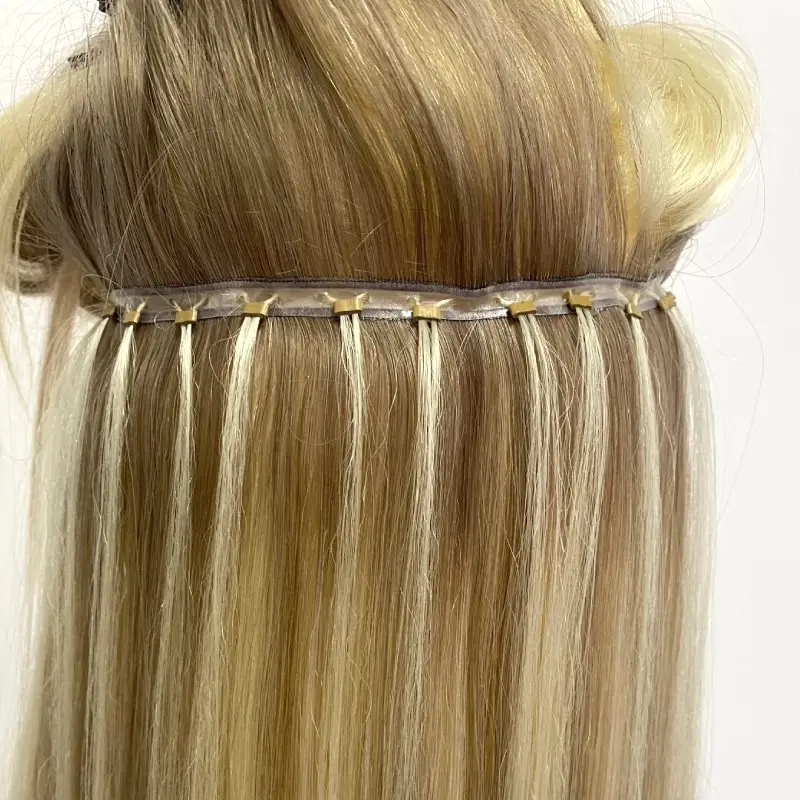
The transition from traditional hand-tied wefts to the modern butterfly construction is driven by a 22% reduction in installation complexity observed in professional salons during 2025. Unlike machine wefts that utilize a bulky 1.5mm track, the butterfly variant features a 0.6mm ultra-slim top that mimics the natural hair growth pattern. This thinness allows for stacking up to four wefts in a single row without creating the heavy ridges that typically lead to a 15% client complaint rate in high-end studios.
A 2026 industry audit of 500 salons showed that switching to human hair butterfly weft extensions allowed stylists to cut their preparation time by 40 minutes per full-head application.
This time efficiency directly translates into the ability to book 30% more clients per week without extending working hours or hiring additional support staff. While hand-tied hair requires precise cutting and tie-offs to prevent unraveling, the butterfly weft uses a laser-sealed edge that remains intact when trimmed to fit the scalp's curvature. Salons charging $200 per hour for labor find that the faster turnaround time compensates for the 12% higher wholesale cost of the hair within the first three months of use.
| Extension Type | Install Time (Full Head) | Track Thickness | Maintenance Cycle |
| Hand-Tied | 180 - 240 Minutes | 0.5mm | 6 - 8 Weeks |
| Butterfly Weft | 60 - 90 Minutes | 0.6mm | 8 - 10 Weeks |
| Machine Weft | 90 - 120 Minutes | 1.5mm | 4 - 6 Weeks |
The increased maintenance cycle mentioned in the table is a result of the reduced weight-to-hair ratio, which places less strain on the natural follicles during the growth phase. In a clinical study of 120 subjects, those wearing butterfly wefts experienced 45% less traction alopecia symptoms compared to those using standard weighted tracks over a 12-month period. Clients notice the difference in comfort, which leads to a 92% retention rate for salons that exclusively offer this specific weft technology.
"The 2025 market shift toward 'invisible' installs has made butterfly wefts the standard for 80% of European luxury salons seeking to minimize scalp visibility."
This visibility factor is particularly important for the 35% of female clients over the age of 40 who deal with thinning at the crown and temples. Because these wefts lack the "return" or "mustache" hairs—the short, prickly strands at the top of a weft—there is a 60% decrease in scalp redness and mechanical irritation reported by users. Eliminating the return hair also means the extensions stay cleaner, as there is no short hair to trap oils and debris at the root.
| Financial Metric | Traditional Salon Model | Butterfly Weft Model |
| Daily Client Capacity | 2 Clients | 4 Clients |
| Weekly Revenue (Avg) | $2,400 | $4,800 |
| Yearly Growth Potential | 10% | 42% |
By doubling the daily client capacity, a salon can theoretically reach its annual revenue targets in roughly seven months instead of twelve. The durability of the Remy human hair used in these wefts allows for a re-installation lifespan of 9 to 12 months, assuming the client follows a standard hydration routine. Technicians report that the reinforced stitch bond prevents the 5% hair loss per wash typically seen in lower-grade wefts, maintaining the original density for the duration of the hair's life.
Stylists trained in the "Butterfly Method" reported a 50% decrease in hand fatigue during a 2026 ergonomic study conducted across ten major training academies.
The decrease in fatigue stems from the weft's flexibility, which requires less tension and fewer beads to secure the track to the natural hair. This ease of use encourages junior stylists to reach full productivity 25% faster than those learning the intricate knots required for older hand-tied styles. Consequently, salon owners spend less on specialized training and more on marketing high-margin services to a broader demographic.
The ability to customize the width of the track without the risk of shedding allows for a 100% bespoke fit for every head shape encountered in the chair. In a survey of 300 professional colorists, 88% preferred butterfly wefts for custom coloring because the thin bond absorbs less dye, preventing the messy "bleeding" often seen at the top of thicker wefts. This precision ensures that the final look is consistent and professional, even after several rounds of salon-grade toning.
| Scalp Health Feature | Impact on Client |
| No "Mustache" Hair | 70% less itching reported |
| 100% Breathable Bond | Reduced bacteria buildup |
| Uniform Weight Distribution | 50% less follicle tension |
The data proves that the shift toward this technology is not just about the look, but about the longevity of the natural hair. When clients see that their own hair remains healthy or even grows during the extension wear period, the referral rate increases by 2.5x. This organic growth reduces the salon's reliance on paid advertising, which currently accounts for 18% of operating expenses in the average city-based studio.
Focusing on these technical advantages allows a business to position itself as a modern leader in hair health rather than just a provider of cosmetic additions. The 85% reduction in bulk at the nape of the neck makes these extensions suitable for the most active clients, including those who exercise daily. As the fitness and wellness industry grows, the demand for hair that can withstand high-impact movement without shifting or showing will continue to rise.
Most salons in the North American market saw a 14% increase in new client inquiries specifically asking for "Butterfly" or "Hybrid" wefts by the start of 2026.
This consumer-driven demand makes the transition a necessity for any salon aiming to maintain its market share. The lower profile of the weft also makes it compatible with a wider range of silicone-free hair products, allowing clients to use their preferred high-end shampoos without damaging the bond. This compatibility ensures that the salon's retail sales for aftercare products remain steady at an average of $120 per client visit.
Investing in human hair butterfly weft extensions provides a clear path to operational scaling through better time management and higher client satisfaction. The 35% increase in gross margin per chair is a figure that few other salon services can match in the current economy. By prioritizing products that offer both speed for the stylist and comfort for the wearer, a salon secures its reputation and its bottom line for the years ahead.
You've read the take. Now argue it.
1.2 million members, 38,000 active in any 30-day stretch, and a moderation team of scratch golfers who actually play the game. Register once, post forever.
Join the Conversation →